

Why Importers Trust India for Ayurvedic Herbs & Wellness Products
Discover India's unmatched heritage in Ayurveda, world-class certifications, and why global importers choose India as their trusted source for authentic wellness products.
Why Importers Trust India for Ayurvedic Herbs & Wellness Products
In the rapidly expanding global wellness market, one country stands as the undisputed leader in authentic, high-quality Ayurvedic herbs and wellness products: India. With a heritage spanning over 5,000 years, world-class manufacturing capabilities, and an unwavering commitment to quality, India has earned the trust of importers worldwide. Here's why discerning businesses choose India as their primary source for Ayurvedic wellness products.
India: The Birthplace of Ayurveda
5,000 Years of Documented Wisdom
India's relationship with Ayurveda isn't just historical—it's foundational to the country's identity:Ancient Texts and Knowledge: - Charaka Samhita (400-200 BCE): Comprehensive medical treatise - Sushruta Samhita (600 BCE): Surgical and medicinal procedures - Ashtanga Hridayam (600 CE): Practical medical applications - Bhavaprakasha (1500 CE): Detailed herb descriptions and uses
Continuous Tradition: - Unbroken lineage of Ayurvedic practitioners - Traditional knowledge passed through generations - Integration with modern scientific research - Government recognition and support
Cultural Integration: - Ayurveda embedded in daily life practices - Traditional home remedies still widely used - Seasonal health practices based on Ayurvedic principles - Holistic lifestyle approach ingrained in culture
Biodiversity Advantage
India's unique geographical and climatic diversity creates optimal conditions for medicinal plant cultivation:Ecological Zones: - Himalayan Region: High-altitude medicinal plants (Cordyceps, Rhodiola) - Western Ghats: Tropical herbs (Cardamom, Black Pepper) - Deccan Plateau: Drought-resistant plants (Ashwagandha, Safed Musli) - Coastal Plains: Moisture-loving herbs (Brahmi, Mandukaparni) - Desert Regions: Xerophytic medicinal plants (Guggul, Commiphora)
Endemic Species: - Over 8,000 medicinal plant species native to India - 1,500+ species used in traditional Ayurvedic formulations - Unique genetic varieties not found elsewhere - Natural adaptation to local growing conditions
Global Market Leadership
Export Statistics and Growth
India's dominance in the global Ayurvedic market is reflected in impressive export figures:Market Size and Growth: - Global Ayurvedic Market (2023): USD 8.2 billion - India's Share: 78% of global production - Export Value (2023): USD 1.8 billion - Growth Rate: 12-15% CAGR
Key Export Categories: 1. Medicinal Plants & Extracts: 45% of exports 2. Ayurvedic Medicines: 25% of exports 3. Herbal Cosmetics: 15% of exports 4. Functional Foods: 10% of exports 5. Essential Oils: 5% of exports
Top Export Destinations: - United States: 28% of Indian Ayurvedic exports - Germany: 15% of exports - United Arab Emirates: 12% of exports - United Kingdom: 10% of exports - Netherlands: 8% of exports
Competitive Advantages
1. Cost Effectiveness: - 40-60% lower production costs compared to Western countries - Abundant skilled labor force - Established supply chain infrastructure - Government export incentives and support2. Quality and Authenticity: - Traditional knowledge ensuring authentic formulations - Standardized manufacturing processes - Advanced quality control systems - International certification compliance
3. Scale and Capacity: - Large-scale cultivation and processing capabilities - Ability to meet global demand fluctuations - Diverse product portfolio - Flexible manufacturing arrangements
4. Innovation Integration: - Modern extraction and processing technologies - Scientific validation of traditional formulations - Research and development investments - Collaboration with international institutions
Regulatory Framework and Quality Assurance
Government Support and Recognition
Ministry of AYUSH (Ayurveda, Yoga & Naturopathy, Unani, Siddha, and Homeopathy): - Dedicated ministry for traditional medicine systems - Policy formulation and implementation - Quality standards development - International promotion and collaborationKey Initiatives: - National AYUSH Mission: Infrastructure development and quality improvement - AYUSH Export Promotion Council: Export facilitation and market development - Pharmacopoeia Commission: Standardization of Ayurvedic medicines - Research Councils: Scientific validation and innovation support
Comprehensive Certification Systems
1. AYUSH Licensing: - Good Manufacturing Practices (GMP): Mandatory for all manufacturers - AYUSH Premium Mark: Quality assurance certification - Ayurvedic Pharmacopoeia of India (API): Standardization compliance - AYUSH Export Certification: International quality validation2. International Certifications: - ISO 9001: Quality management systems - ISO 22000: Food safety management - HACCP: Hazard analysis and critical control points - WHO-GMP: World Health Organization good manufacturing practices
3. Organic and Sustainable Certifications: - NPOP (National Programme for Organic Production): Indian organic standards - USDA Organic: United States organic certification - EU Organic: European Union organic compliance - JAS Organic: Japan Agricultural Standards
4. Specialized Certifications: - Fair Trade: Ethical sourcing and farmer welfare - Rainforest Alliance: Sustainable agriculture practices - FSSAI: Food Safety and Standards Authority of India - APEDA: Agricultural and Processed Food Products Export Development Authority
Manufacturing Excellence
State-of-the-Art Facilities
Modern Infrastructure: - 2,500+ GMP-certified Ayurvedic manufacturing units - Advanced extraction and processing equipment - Automated quality control systems - Clean room facilities for sterile productionTechnology Integration: - Supercritical CO2 Extraction: Preserving active compounds - Spray Drying Technology: Standardized powder production - Nano-encapsulation: Enhanced bioavailability - Chromatographic Analysis: Precise quality control
Capacity and Scale: - Combined production capacity of 500,000+ tons annually - Ability to handle orders from small batches to large volumes - Flexible manufacturing for custom formulations - Rapid scaling capabilities for growing demand
Quality Control Systems
Laboratory Infrastructure: - 150+ accredited testing laboratories - Advanced analytical equipment (HPLC, GC-MS, FTIR) - Microbiological testing facilities - Heavy metal and pesticide residue analysisTesting Protocols: - Raw Material Testing: Identity, purity, and potency verification - In-Process Testing: Quality monitoring during production - Finished Product Testing: Comprehensive quality assurance - Stability Testing: Shelf-life and storage condition validation
Documentation and Traceability: - Batch-wise documentation systems - Complete supply chain traceability - Certificate of Analysis (CoA) for every batch - Regulatory compliance documentation
Research and Development Excellence
Scientific Validation
Research Investment: - USD 200+ million annual investment in Ayurvedic research - 50+ dedicated research institutions - 1,000+ active research projects - 500+ publications in international journals annuallyClinical Studies: - 200+ completed clinical trials on Ayurvedic formulations - Collaboration with international research institutions - Evidence-based validation of traditional claims - Safety and efficacy documentation
Innovation Areas: - Standardization: Developing quality parameters for traditional formulations - Bioavailability Enhancement: Improving absorption and efficacy - Novel Delivery Systems: Modern formats for traditional medicines - Combination Therapies: Integrating Ayurveda with modern medicine
Institutional Support
Premier Research Institutions: - Central Council for Research in Ayurvedic Sciences (CCRAS) - All India Institute of Ayurveda (AIIA) - National Institute of Ayurveda (NIA) - Indian Council of Medical Research (ICMR)International Collaborations: - Research partnerships with universities in USA, Europe, and Asia - Joint clinical trials and studies - Technology transfer agreements - Academic exchange programs
Supply Chain Excellence
Cultivation and Sourcing
Organized Farming: - 500,000+ hectares under medicinal plant cultivation - Contract farming arrangements with 100,000+ farmers - Good Agricultural Practices (GAP) implementation - Sustainable harvesting protocolsQuality Sourcing: - Direct farmer relationships ensuring quality - Seasonal harvesting for optimal potency - Post-harvest handling protocols - Storage and preservation systems
Traceability Systems: - GPS-tagged cultivation areas - Blockchain-based supply chain tracking - Farmer identification and certification - Batch-wise documentation from farm to export
Processing and Value Addition
Primary Processing: - Cleaning, grading, and standardization - Controlled drying and storage - Quality testing and certification - Packaging for preservationSecondary Processing: - Extraction and concentration - Standardization to active compounds - Formulation development - Custom processing services
Value-Added Products: - Standardized extracts and concentrates - Ready-to-market formulations - Private label manufacturing - Custom blend development
International Trust and Recognition
Global Partnerships
Multinational Collaborations: - Joint ventures with international companies - Technology transfer agreements - Research and development partnerships - Market development collaborationsRegulatory Acceptance: - FDA recognition of Indian manufacturing facilities - EU GMP certification for multiple facilities - Health Canada licensing for Ayurvedic products - TGA (Australia) approval for traditional medicines
Industry Recognition: - International quality awards and certifications - Recognition by global wellness organizations - Participation in international trade fairs and exhibitions - Membership in global industry associations
Success Stories
Case Study 1: Turmeric Global Success - India supplies 80% of global turmeric demand - Premium quality with high curcumin content - Successful penetration in US and European markets - Brand recognition for Indian turmeric worldwideCase Study 2: Ashwagandha Market Leadership - India dominates global Ashwagandha supply - Scientific validation driving international demand - Premium pricing acceptance in developed markets - Successful positioning as adaptogenic superfood
Case Study 3: Ayurvedic Cosmetics Export Growth - 300% growth in herbal cosmetics exports (2018-2023) - Successful penetration in Middle East and European markets - Brand partnerships with international cosmetic companies - Recognition for natural and sustainable beauty products
Sustainability and Ethical Practices
Environmental Responsibility
Sustainable Agriculture: - Organic farming promotion and support - Water conservation techniques - Soil health improvement programs - Biodiversity conservation initiativesCarbon Footprint Reduction: - Renewable energy adoption in manufacturing - Efficient transportation and logistics - Waste reduction and recycling programs - Carbon offset initiatives
Ecosystem Protection: - Conservation of medicinal plant habitats - Sustainable harvesting practices - Reforestation and afforestation programs - Wildlife conservation support
Social Responsibility
Farmer Welfare: - Fair trade practices and pricing - Technical training and support - Financial assistance and credit facilities - Healthcare and education supportCommunity Development: - Rural employment generation - Women's empowerment programs - Skill development initiatives - Infrastructure development support
Cultural Preservation: - Traditional knowledge documentation - Support for traditional healers - Cultural heritage conservation - Indigenous community support
Future Outlook and Opportunities
Market Projections
Growth Forecasts: - Global Ayurvedic Market: USD 15+ billion by 2030 - India's Export Potential: USD 5+ billion by 2030 - Employment Generation: 2+ million additional jobs - Investment Opportunities: USD 2+ billion in infrastructureEmerging Opportunities: - Personalized Ayurveda: AI-driven customization - Digital Health Integration: Telemedicine and wellness apps - Functional Foods: Ayurvedic ingredients in mainstream foods - Cosmeceuticals: Science-backed beauty products
Strategic Initiatives
Government Support: - AYUSH Export Promotion: Dedicated export facilitation - Research Funding: Increased investment in R&D - Infrastructure Development: Manufacturing and testing facilities - International Promotion: Trade missions and exhibitionsIndustry Development: - Cluster Development: Specialized manufacturing zones - Technology Upgradation: Modern equipment and processes - Skill Development: Training and certification programs - Quality Enhancement: Continuous improvement initiatives
Why Choose India: The Compelling Case
Unmatched Authenticity
- 5,000-year heritage in Ayurvedic medicine - Traditional knowledge preserved and practiced - Cultural integration ensuring authentic practices - Continuous evolution adapting to modern needsSuperior Quality
- Rigorous quality control systems and protocols - International certifications and compliance - Scientific validation of traditional formulations - Continuous improvement in quality standardsCompetitive Advantages
- Cost-effective production without compromising quality - Scalable manufacturing capabilities - Diverse product portfolio meeting varied needs - Flexible arrangements for custom requirementsReliable Partnership
- Established supply chains ensuring consistent availability - Professional service and customer support - Transparent business practices and documentation - Long-term relationship focusInnovation and Growth
- Continuous research and development - Technology integration for improved products - Market responsiveness to changing demands - Future-ready approach to businessConclusion: India - Your Trusted Ayurvedic Partner
The choice of India as a source for Ayurvedic herbs and wellness products isn't just about cost or availability—it's about partnering with a nation that has made Ayurveda its life's work for millennia. From the ancient sages who first documented these healing practices to today's modern manufacturers who combine traditional wisdom with cutting-edge technology, India offers an unparalleled combination of authenticity, quality, and reliability.
For importers seeking genuine Ayurvedic products, India provides not just products, but a partnership rooted in trust, backed by science, and committed to the highest standards of quality and sustainability. In a world where authenticity is increasingly rare, India stands as the beacon of genuine Ayurvedic excellence.
The question isn't whether to choose India for your Ayurvedic sourcing needs—it's which Indian partner will best serve your vision of bringing authentic wellness to the world.
Ready to experience the India advantage? Aurora Global Exports combines India's rich Ayurvedic heritage with modern quality standards to deliver authentic, high-quality wellness products to global markets. Contact us to discover how our deep roots in Indian tradition and commitment to international excellence can elevate your wellness product portfolio.
Related Articles

Effervescent Tablets: The Future of Ayurvedic Supplements
Discover why effervescent tablets are trending with better absorption and convenience, and how Ayurveda is adapting to modern formats.

Herbal Hair Oils from India: Tradition Meets Global Demand
Explore how Indian hair oils with Ayurvedic ingredients are gaining popularity in international cosmetic and wellness markets with proven results.
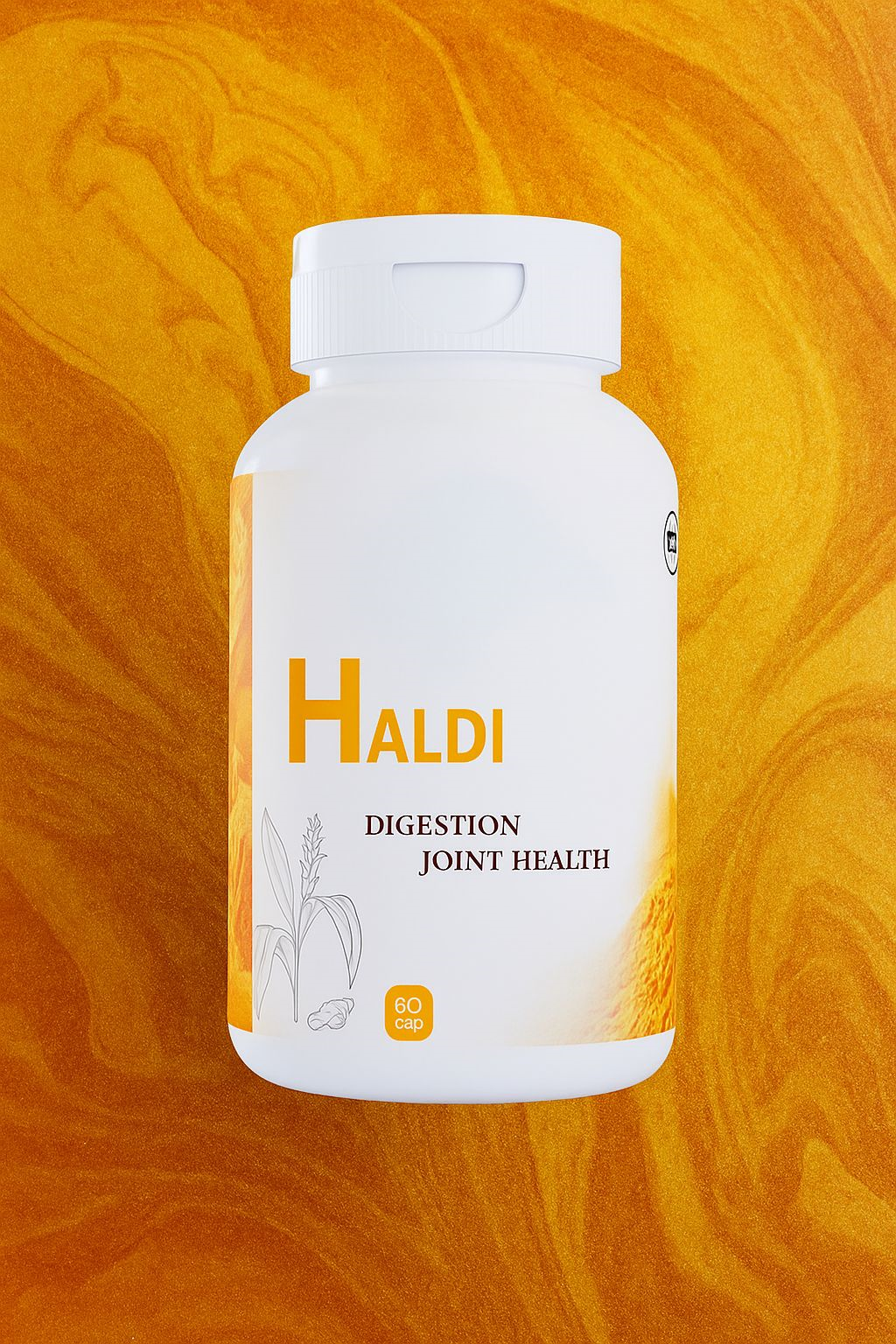
Joint Support Oils: Natural Relief in a Chemical World
Discover the growing demand for natural pain-relief solutions and how Ayurvedic oils provide permanent root cause treatment compared to modern alternatives.