
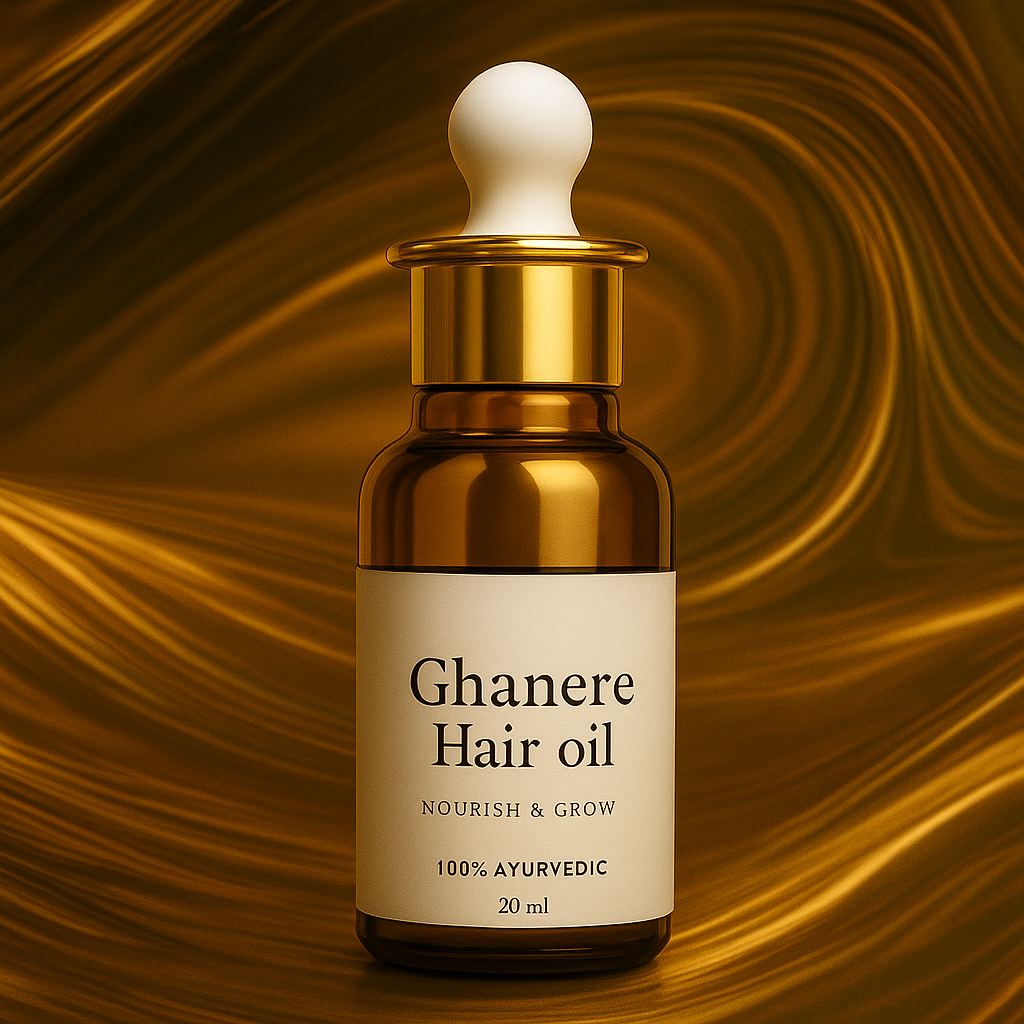
Herbal Hair Oils from India: Tradition Meets Global Demand
Explore how Indian hair oils with Ayurvedic ingredients are gaining popularity in international cosmetic and wellness markets with proven results.
Herbal Hair Oils from India: Tradition Meets Global Demand
In an era where consumers are increasingly seeking natural alternatives to chemical-laden beauty products, Indian herbal hair oils are experiencing unprecedented global recognition. These time-tested formulations, rooted in 5,000 years of Ayurvedic wisdom, are now capturing the attention of international markets hungry for authentic, effective, and sustainable hair care solutions.
The Global Hair Oil Renaissance
The global hair oil market is witnessing remarkable growth, valued at USD 7.8 billion in 2023 and projected to reach USD 11.2 billion by 2030, growing at a CAGR of 5.2%. Within this expanding market, herbal and natural hair oils are leading the charge, representing the fastest-growing segment with a CAGR of 8-10%.
Market Drivers:
- Natural beauty movement: 73% of consumers prefer natural ingredients - Cultural diversity appreciation: Growing interest in traditional beauty practices - Proven efficacy: Scientific validation of traditional formulations - Sustainability focus: Eco-conscious consumers choosing natural alternatives - Social media influence: Beauty influencers showcasing traditional practicesIndia's Hair Care Heritage
Ancient Wisdom, Modern Relevance
Indian hair care traditions date back millennia, with Ayurvedic texts like the Charaka Samhita and Sushruta Samhita documenting elaborate hair care rituals. These ancient practices emphasized:Holistic Approach: - Hair health as reflection of overall wellness - Scalp care as foundation for healthy hair - Seasonal adjustments in hair care routines - Mind-body connection in beauty practices
Natural Ingredients: - Coconut oil as the primary base - Herbs selected for specific hair concerns - Seasonal ingredients for optimal benefits - Minimal processing to preserve potency
Proven Results: - Generations of use validating effectiveness - Traditional knowledge passed down through families - Regional variations based on local ingredients - Continuous refinement of formulations
The Science Behind Indian Hair Oils
Key Ayurvedic Ingredients and Their Benefits
1. Bhringraj (Eclipta prostrata) - "King of Hair" - Scientific Name: Eclipta alba - Active Compounds: Wedelolactone, ecliptin, β-amyrin - Benefits: Promotes hair growth, prevents premature graying, strengthens roots - Research: Studies show 30% improvement in hair density after 12 weeks
2. Amla (Emblica officinalis) - "Vitamin C Powerhouse" - Active Compounds: Ascorbic acid, tannins, gallic acid - Benefits: Antioxidant protection, collagen synthesis, scalp health - Research: 25% reduction in hair fall observed in clinical trials
3. Brahmi (Bacopa monnieri) - "Brain Tonic for Hair" - Active Compounds: Bacosides, alkaloids, saponins - Benefits: Improves circulation, reduces stress-related hair loss - Research: Significant improvement in hair thickness and strength
4. Fenugreek (Trigonella foenum-graecum) - "Protein Rich" - Active Compounds: Proteins, nicotinic acid, lecithin - Benefits: Strengthens hair shaft, adds shine, controls dandruff - Research: 40% reduction in hair breakage in 8-week study
5. Hibiscus (Hibiscus rosa-sinensis) - "Natural Conditioner" - Active Compounds: Amino acids, vitamins A and C, alpha-hydroxy acids - Benefits: Natural conditioning, prevents split ends, adds volume - Research: Improved hair elasticity and moisture retention
6. Neem (Azadirachta indica) - "Scalp Purifier" - Active Compounds: Nimbin, azadirachtin, quercetin - Benefits: Antifungal, antibacterial, treats scalp conditions - Research: 85% reduction in dandruff symptoms
Base Oils and Their Properties
Coconut Oil (Cocos nucifera): - Penetration: Molecular structure allows deep hair shaft penetration - Protection: Forms protective layer preventing protein loss - Antimicrobial: Lauric acid provides natural preservation - Research: 34% reduction in protein loss compared to other oils
Sesame Oil (Sesamum indicum): - UV Protection: Natural SPF properties protect from sun damage - Antioxidants: Sesamol and sesaminol prevent oxidative damage - Penetration: Excellent absorption into scalp and hair - Traditional Use: Preferred oil in Ayurvedic hair treatments
Mustard Oil (Brassica juncea): - Stimulation: Improves blood circulation to scalp - Antimicrobial: Natural antifungal and antibacterial properties - Warming: Increases metabolic activity in hair follicles - Regional Preference: Popular in North Indian formulations
Global Market Penetration
North America: The Premium Natural Market
Market Size: USD 1.2 billion by 2027 Growth Rate: 7-8% CAGRKey Trends: - Clean Beauty Movement: 68% of consumers read ingredient labels - Multicultural Influence: Growing South Asian population driving demand - Influencer Marketing: Beauty bloggers showcasing Indian hair care - E-commerce Growth: Online sales increasing 15% annually
Popular Products: - Bhringraj hair growth oils - Amla vitamin C hair treatments - Ayurvedic hair oil blends - Organic certified formulations
Success Stories: - Major retailers now stock Indian hair oil brands - Celebrity endorsements increasing brand visibility - Subscription box inclusions expanding reach - Professional salon adoptions growing
Europe: Quality and Authenticity Focus
Market Size: USD 900 million by 2027 Growth Rate: 6-7% CAGRLeading Markets: - United Kingdom: Largest European market for Indian hair oils - Germany: Strong demand for organic and certified products - France: Premium positioning in luxury beauty segment - Netherlands: Distribution hub for European markets
Consumer Preferences: - Organic and fair-trade certifications - Sustainable packaging solutions - Detailed ingredient transparency - Clinical efficacy data
Regulatory Environment: - CPNP registration requirements - Cosmetic regulation compliance - Organic certification standards - Safety assessment documentation
Asia-Pacific: Cultural Resonance and Growth
Market Size: USD 2.1 billion by 2027 Growth Rate: 9-10% CAGRKey Markets: - Australia: Health-conscious consumers embracing Ayurveda - Japan: Premium natural beauty market expansion - South Korea: K-beauty integration with traditional practices - Southeast Asia: Cultural familiarity driving adoption
Growth Drivers: - Rising disposable incomes - Urbanization increasing beauty spending - Cultural appreciation for traditional practices - Government support for traditional medicine
Product Innovation and Development
Modern Formulation Techniques
1. Standardized Extracts: - Consistent active compound concentrations - Improved shelf stability - Enhanced efficacy - Quality control advantages2. Nano-Encapsulation: - Better ingredient penetration - Controlled release mechanisms - Improved stability of sensitive compounds - Enhanced consumer experience
3. Synergistic Blends: - Scientifically designed combinations - Enhanced therapeutic effects - Reduced formulation conflicts - Optimized absorption
4. Sustainable Processing: - Cold-press extraction methods - Minimal heat processing - Organic solvent-free extraction - Eco-friendly manufacturing
Product Categories and Applications
1. Hair Growth Stimulants (35% of market) - Bhringraj-based formulations - Rosemary and Indian herb combinations - Scalp massage oils - Leave-in treatments
2. Anti-Dandruff Solutions (25% of market) - Neem and tea tree combinations - Antifungal herbal blends - Scalp purifying treatments - Medicated hair oils
3. Hair Strengthening Products (20% of market) - Protein-rich formulations - Keratin and herb combinations - Damage repair treatments - Split-end prevention oils
4. Natural Conditioning Oils (15% of market) - Hibiscus and silk protein blends - Deep conditioning treatments - Shine-enhancing formulations - Frizz control solutions
5. Specialized Treatments (5% of market) - Gray hair prevention oils - Postpartum hair care - Chemically treated hair recovery - Seasonal hair care solutions
Manufacturing and Quality Standards
Traditional vs. Modern Production
Traditional Methods: - Small-batch processing - Seasonal ingredient harvesting - Time-intensive preparation - Family recipe variationsModern Manufacturing: - Standardized processes - Quality control systems - Scalable production - Consistent formulations
Hybrid Approach: - Traditional knowledge base - Modern quality standards - Sustainable practices - Innovation integration
Quality Certifications and Standards
International Standards: - ISO 22716: Good Manufacturing Practices for Cosmetics - USDA Organic: Organic ingredient certification - Ecocert: Natural and organic cosmetics certification - Fair Trade: Ethical sourcing certificationIndian Standards: - BIS Standards: Bureau of Indian Standards compliance - AYUSH Certification: Traditional medicine validation - FSSAI: Food safety standards for edible oils - Export Quality: International export standards
Business Opportunities and Market Entry
For International Importers
1. Private Label Development: - Custom formulations for specific markets - Brand differentiation opportunities - Higher profit margins - Market exclusivity2. Distribution Partnerships: - Established brand collaborations - Retail chain partnerships - E-commerce platform integration - Professional salon channels
3. Contract Manufacturing: - White-label production services - Regulatory compliance support - Quality assurance programs - Scalable production capacity
Success Factors
Market Research: - Consumer preference analysis - Competitive landscape assessment - Regulatory requirement understanding - Cultural sensitivity considerationsQuality Assurance: - Supplier verification and auditing - Third-party testing protocols - Batch consistency monitoring - Regulatory compliance maintenance
Brand Building: - Authentic storytelling - Educational content marketing - Influencer partnerships - Customer testimonial programs
Distribution Strategy: - Multi-channel approach - Online marketplace presence - Retail partnership development - Professional channel cultivation
Challenges and Solutions
Common Market Challenges
1. Consumer Education: - Challenge: Limited awareness of Ayurvedic benefits - Solution: Educational marketing campaigns and content2. Regulatory Compliance: - Challenge: Varying international regulations - Solution: Expert regulatory consulting and compliance systems
3. Quality Consistency: - Challenge: Maintaining standards across batches - Solution: Standardized manufacturing processes and testing
4. Cultural Adaptation: - Challenge: Adapting traditional products for modern consumers - Solution: Product innovation while maintaining authenticity
Overcoming Market Barriers
Authenticity Concerns: - Third-party certifications - Transparent supply chain documentation - Traditional preparation method validation - Expert endorsementsPrice Sensitivity: - Value proposition communication - Cost-benefit analysis presentation - Premium positioning strategies - Volume-based pricing models
Future Trends and Opportunities
Emerging Trends (2024-2030)
1. Personalized Hair Care: - AI-driven formulation recommendations - Genetic testing integration - Customized oil blends - Individual scalp analysis2. Sustainable Beauty: - Zero-waste packaging solutions - Carbon-neutral production - Biodegradable formulations - Circular economy integration
3. Technology Integration: - Smart packaging with usage tracking - App-connected hair care routines - Virtual consultation services - Augmented reality try-on experiences
4. Clinical Validation: - Increased research investment - Clinical trial documentation - Scientific publication support - Evidence-based marketing
Market Projections
- Global herbal hair oil market: USD 15+ billion by 2030 - Indian export potential: USD 2+ billion annually - Innovation investment: USD 500+ million in R&D - New product launches: 200+ annuallyConclusion: A Golden Opportunity
The convergence of ancient Ayurvedic wisdom with modern consumer demands has created an unprecedented opportunity in the global hair care market. Indian herbal hair oils, with their proven efficacy, natural ingredients, and sustainable practices, are perfectly positioned to meet the evolving needs of conscious consumers worldwide.
For businesses ready to embrace this opportunity, the path forward involves respecting traditional knowledge while embracing modern innovation, maintaining authenticity while adapting to local preferences, and building trust through transparency and quality.
The global hair care market is ready for the Indian herbal revolution. The question is not whether this transformation will happen, but who will be positioned to lead it.
Ready to explore the world of Indian herbal hair oils? Aurora Global Exports offers authentic, high-quality formulations backed by traditional knowledge and modern quality standards. Contact us to discover how these time-tested solutions can transform your hair care portfolio.
Related Articles
Effervescent Tablets: The Future of Ayurvedic Supplements
Discover why effervescent tablets are trending with better absorption and convenience, and how Ayurveda is adapting to modern formats.
Joint Support Oils: Natural Relief in a Chemical World
Discover the growing demand for natural pain-relief solutions and how Ayurvedic oils provide permanent root cause treatment compared to modern alternatives.

Why Importers Trust India for Ayurvedic Herbs & Wellness Products
Discover India's unmatched heritage in Ayurveda, world-class certifications, and why global importers choose India as their trusted source for authentic wellness products.